The Lebanese-Armenian Community Amidst War Challenges: Priorities and Outlook
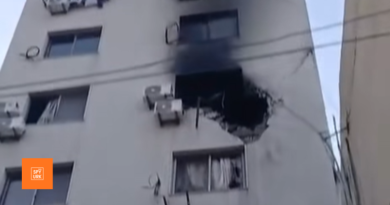
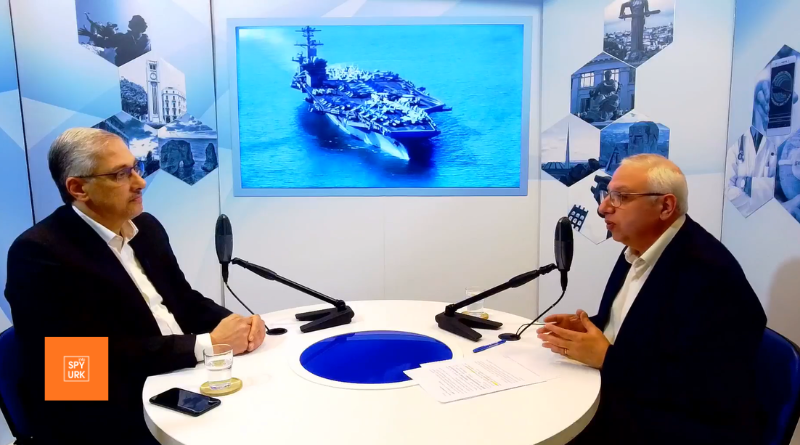
The complex military-political situation in Lebanon remains a primary concern for the Armenian Diaspora. Albert Balabanian, representative of the ARF Central Committee of Lebanon, addressed the prevailing uncertainty in a recent interview, noting that there are currently no positive signs of a near end to the war. According to him, past experience shows that temporary de-escalations do not always lead to final stability.
Preparedness and the Educational Process Currently, community structures are operating in an emergency mode. According to state authorities, the country has at least a three-month reserve of essential supplies. In the educational sector, schools are following ministry directives: depending on the security situation, some institutions have transitioned to remote learning, while others maintain in-person classes.
Political Decisions and Elections The community’s political wing has adopted a realistic approach regarding the upcoming parliamentary elections in Lebanon. Despite the initial readiness to respect the terms of state institutions, the state of war has forced a reconsideration. Due to the low probability of a ceasefire and organizational complexities, a decision was made to support a two-year postponement of the elections.
Social Solidarity and the Issue of Displaced Persons An inter-party cooperation platform has been formed to alleviate social tension within the community. Efforts are also coordinated with the Prelacy and His Holiness Catholicos Aram I, whose pontifical appeal is viewed as a guide for action. Notably, an influx of displaced persons is already observed in the outskirts of Bourj Hammoud, requiring vigilance to avoid potential inter-community clashes and tensions.
In this crisis phase, the support of other Diaspora communities and compatriots who have left Lebanon is also expected, enabling the community to withstand upcoming economic and security challenges.